
|
AN ORIGINAL STORY OF MUSIC |

|
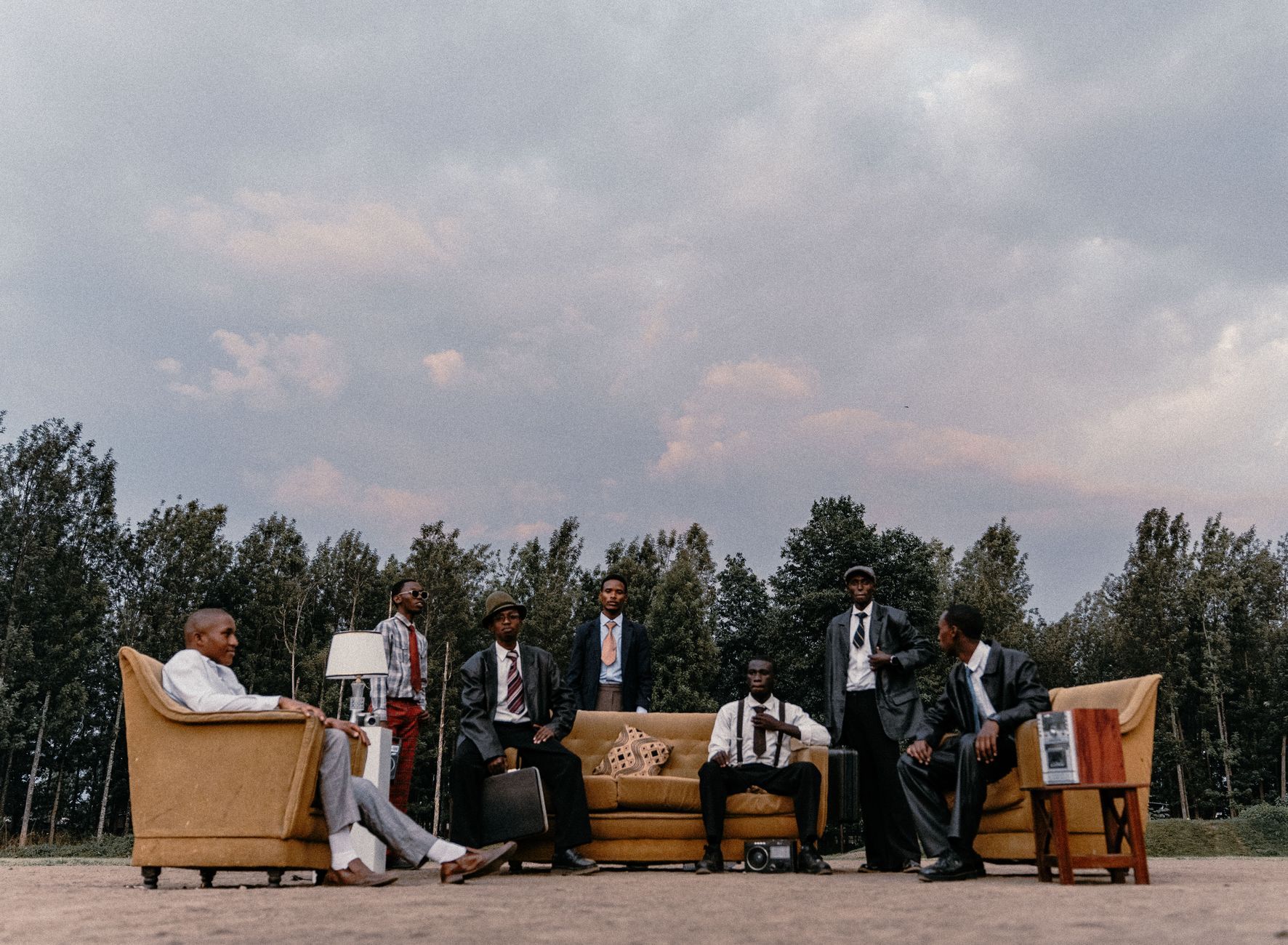
THIRTY YEARS Musical culture and the city of L'Aquila are two items of a subject extensively developed and commented during the last decades. It's a subjects made of names and events which combines, in a logical way, positive, gratifying considerations with strained or difficult moments. These tormented days are undoubtedly a moment of great difficulty, what musical activities is concerned about, either in general or particular sense. Today's events, which assault us from the pages of daily newspapers with a more than Machiavellian mixture, are destined to fill problematic pages of history; for the time being, however, they escape a reliable and all-inclusive evaluation. If we look with attention at what the reality of Music Institutions in the city of L'Aquila ment and still means, also on occasion of the 30th anniversary, we can size a brick of the building that Mr. Nino Carloni and his first collaborators wanted in order to not just "play music" but, above all, to do the local society, which. like the whole of Italy, was coming out of a tormented war, a service through music. Only if we are able to understand this effort of a "cultural reconstruction", both necessary and of social significance, we will avoid the misunderstanding that art and culture are "luxury goods" and will be able to appreciate them beside traditional "essential goods". An even more special meaning is connected with the happy experience made by the I Solisti Aquilani in the groove of univocal general lines; they enjoy the privilege of counting maestro Vittorio Antonellini - a circumstance not very frequent indeed - as the precious engine of the "foundation", the first actor of today, and we hope also the protagonist of the future. For 30 years, the I Solisti Aquilani have rigorously interpreted musical reality vigorously grown in the capital towns of Abruzzo in the middle of this century. Moreover, by leading themselves with refined professional character, they made themself messengers in the world of L'Aquila, the region and Italy. The present time seems intentioned to make "summary justice" of everything and everybody, therefore, it really could seem to be very correct. On the contrary, we should deem concordantly that nothing comes from nothing and if there is something that can help to support the "resurrection", that something may be the culture, the real one, free of conditioning and opportunism, the one able to witness, more than any other parameter, the true level of civilization of human society. The association I Solisti Aquilani is aware of all this and therefore wants to remember the story of a prestigious music ensemble still full of potentialities. They were young and dreamers: as it always happens to all young people, especial ly when they are musicians too. They worked in Rome and had a conductor who was the most dreamy of all: Vittorio Antonellini. They were already performing many successful concerts in the most prestigious musical halls of the capital. One day, Goffredo Petrassi listened to them and was filled with admiration; he had b een asked to find a chamber orchestra willing to work in the musical events supp orted by the city of L'Aquila by Nino Carloni, the prince of dreamers. So, the C amerata Musicale Romana became I Solisti Aquilani which performed for the first time at the Auditorium of the 16th century Castle of L'Aquila, on April 21st 196 8, adding to their name "Abruzzo's Chamber Orchestra of the Concert Society of L 'Aquila". Mr. Carloni started "to light a fire with one's own wood" as he used t o say, in other words, besides organizing music, he began producing it. The obje ctive was very ambitious: to create a stable symphony orchestra. With Mr. Antone llini he realized that chamber music ensemble had to be set up in the first plac e. 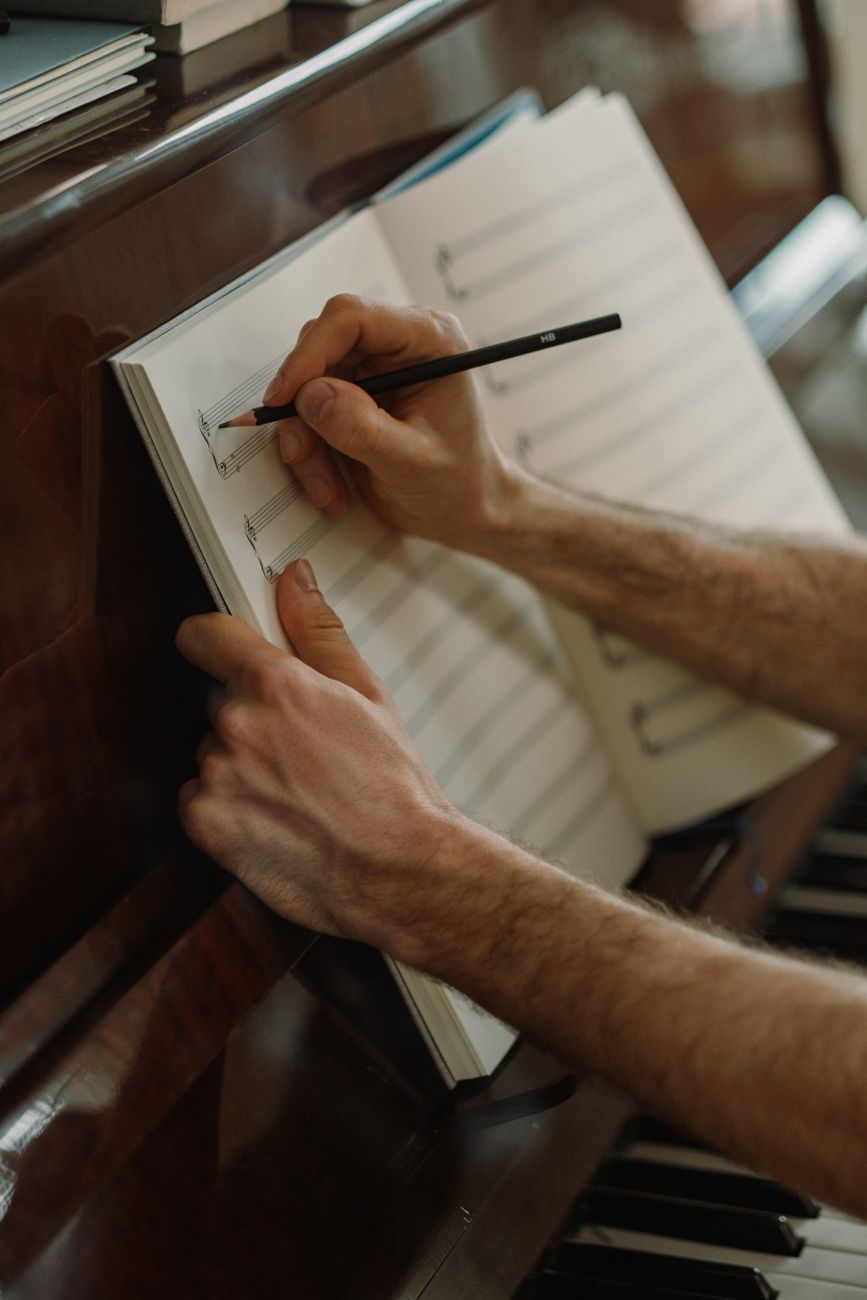
Its activity, which was immediately appreciated for the quality and originali ty of the musical commitment, besides a well-spread presence on the territory, was the means which in 1970 allowed the Symphony Institution of Abruzzo to start making its way and in 1975 with the recognition as Concert and Orchestral Institution by State. This process of parthenogenesis was Mr. Nino Carloni's ace up his sleeve. Once he had founded his company "Barattelli" in 1947, he had clear in mind a bigger project, starting with a series of excellent concert seasons but preparing the ground for a broader outline of musical activities. In 1967 we have the Conservatory, then the I Solisti Aquilani, the Symphony Orchestra of Abruzzo, were the main components of that mechanism, whose first engine had been the "Barattelli". At a local level, however, with the I Solisti Aquilani, for the first time it had been created a core of musical production, which was not only able to assure a great contribution, in terms of production, to the above mentioned project, but which represented a concrete means of communication and comparison with the Italian and international world of music for the musical life of L'Aquila and Abruzzo. Infact, if a city like L'Aquila, with approximately 60.000 inhabitants, besides being a central point for high level musical encounters was going to be the seat of a group producing and exporting music, its vitality and its prestige would grow positively. But to limit all this to the local very important, local sphere would be a mistake, as well as not to explain genesis and development of an entity which today completes its first thirty years. The birth of I Solisti Aquilani was part of a project with the aim of revaluating the Italian instrumental heritage belonging to the period between 17th and 18th century, which had been completely forgotten during the whole 19th century and the first decades of our century, and which has subsequently been brought back to life in the 30's and 40's by those particularly interested in the culture of music. In 1968 there wew already I Solisti Veneti, I Virtuosi di Roma, and I Musici, all playing for such a fascinating and very Italian repertory. The birth of I Solisti Aquilani was also very special for its geographical location: it was the only structure of this sort in the South and it created a new way of thinking music. The wish itself of a concert society gathering a group of good string soloists in its city presupposed linking the ensemble's fortune to the social and cultural one of the hosting community. In few words, what distinguished I Solisti Aquilani from the other similar groups which were already playing in Italy was this very social vocation: to work in strict relationship with the surrounding reality they intended to operate in. Right at the beginning of their activity the I Solisti Aquilani held a series of concerts at Bologna and its surroundings sponsored by the Buton Company. At the end of the tour they were offered by Count Sassoli, owner of a branch of the famous Italian spirits company, to change seat and name for a very tempting contract of sponsorship: their answer was no. By making their choice, Antonellini and his fellows musicians were not influenced by tribal sentimentalisms; none of them was from Abruzzo. They were enchanted by the idea of planning a new way of being a musician. That's not only a performer, even if experienced, but rather a protagonist of a different human and musical experience. The city of L'Aquila and the Abruzzo region offered this stimulating opportunity; this balanced the objective difficulties of creating, mantaining and keeping in good term with the Italian and international musical world, a chamber orchestra having as headquarters a small region which at that time was not very well organized for this way of making culture. In 30 years time, this did not keep the quality of music proposal from pushing the orchestra into the most famous music circuits. Quality and service for a social idea of music could be the two "leading motives" of the past 30 years. "Social idea" is not an unlikely and sentimental concept of cultural charity, but it's a tight adherence, a coordination, an identification of all possible ways of developing cooperation between I Solisti Aquilani and the community of L'Aquila and the Abruzzo region. The diversity has characterized all these years in which I Solisti Aquilani have developed a double programme thus gaining a high position in the international world of music being present in their own cultural reality at the same time. This way, besides the records and radio and TV broadcasting, the ensemble strengthens its continuous presence in L'Aquila and in Abruzzo, contributing considerably to the region's cultural development. Teaching and promotional activity in Abruzzo and in other Italian regions have been very intensive. Since 1968, a symbolic year for the world's political and customs history, I Solisti have been present in factories, small villages and schools, they have been performing concerts in mental hospitals and have been directly involved in solidarity and social obligations. They do not change their repertory, the composition of the ensemble, the artistic cooperations, when they play in a big theatre, participate in a festival or perform for any of the cultural activities mentioned before. It's symbolic, in this sense, the fact that in all these years, they wanted to propose in the reality of their own lives the musical personalities they cooperated with for Italian and international concert seasons. Felix Ayo, Maurice Andr�, Renato Bruson, Cecilia Gasdia, Severino Gazzelloni and many other musicians performed with I Solisti and for very important productions of the association and also into the most widespread activity of decentralization. The involvement of young musicians is also well-known: many are the activities with and for young paeple, planned to give them the chance for international experiences. Many members of the I Solisti Aquilani have changed in these 30 years, but music-stands all over the world have always had "thoroughbred horses" in front of them. musicians able to sustain solo parts have as common characteristic a difficult sense of staying together. This is the major difficulty to march together towards a common good, when you have different tempers and marked musical qualities. Vittorio Antonellini has made of this harmony his religion and that of his fellow musicians. To deny tensions, misunderstandings, some innocent spite would mean to betray reality and the reader's intelligence. But the fact that the group has been stable for so many years, that some musicians have been staying with Mr. Antonellini for 20, 15 or 10 years means that the formula has worked. Today the I Solisti Aquilani can be proud of another thing: there are also people from Abruzzo belonging to the group. In 1968 this was unthinkable of; for many years it is even been difficult to have an Italian majority in the group. Mr. Carloni's dream of "making a fire with his own wood" seems to materialize at last. The excellent musical potentialities of the members of the group, the Association's ability of artistic planning and an always watchful participation in the community's life, but also its ability of interesting the projects, has been its strenght during these 30 years. More than 3.000 concerts in 30 years means an average of 100 concerts per years: a concert every three days! However, their history is full of events, lived with enthusiasm. The way to go is already marked: once more together to play music in a different way, as it was yesterday, as it always will be. |